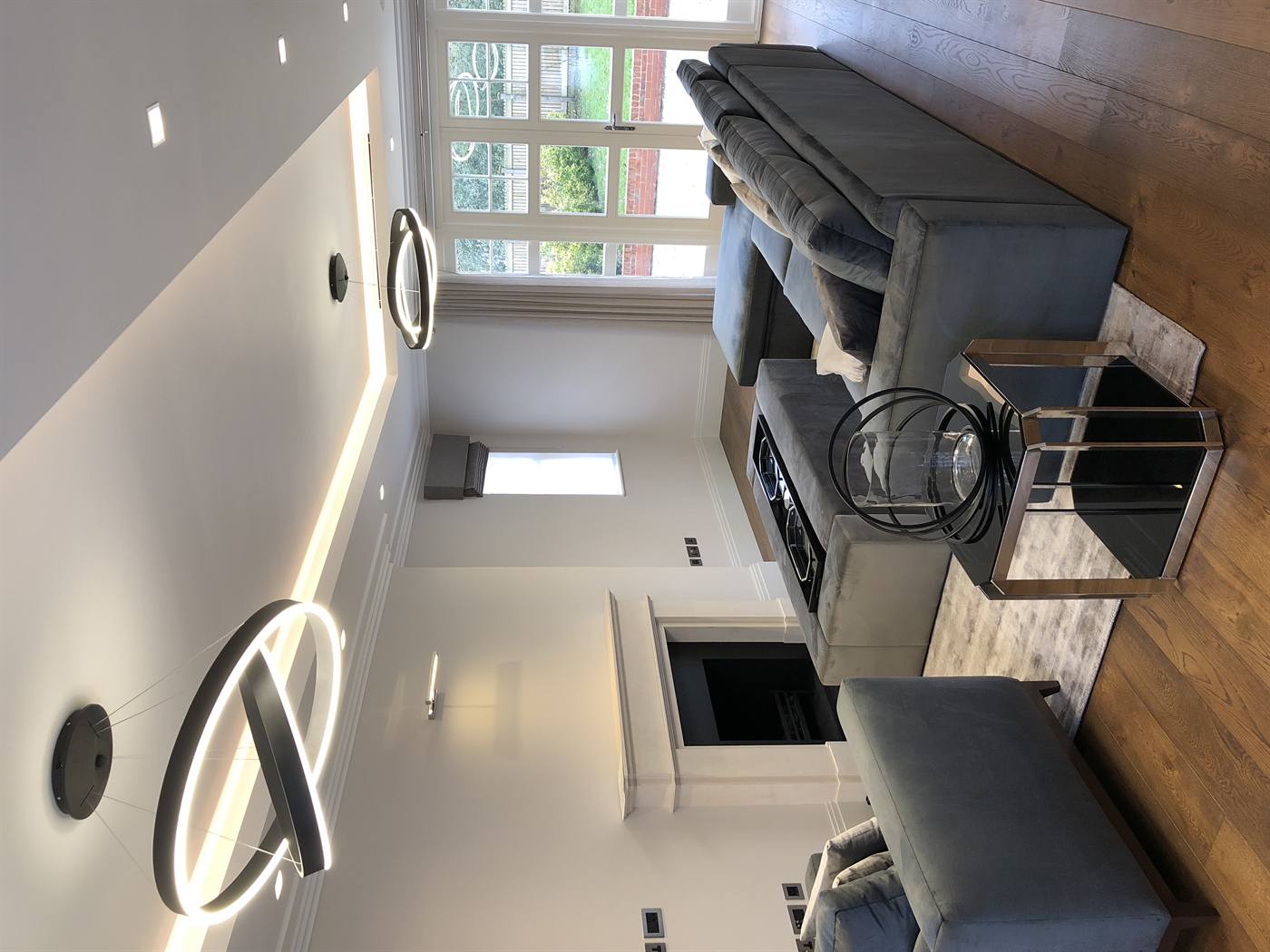
Managed IT services in London are end-to-end, proactive technology operations delivered by a dedicated provider to reduce downtime and risk. They include 24/7 monitoring, helpdesk, cybersecurity, cloud, and network management. For clients in Unit 23 and across London, Concepto Solutions integrates these with electrical, data wiring, and smart systems for a stable, scalable foundation.
By Concepto Solutions • Last updated: May 20, 2026
Above the fold: why this guide matters
This guide shows how managed IT services reduce outages, strengthen security, and free teams to focus on real work. You’ll learn what managed services include, how they operate day to day, where they integrate with electrical and networks, and how Concepto Solutions supports London clients from design through ongoing care.
If you’re juggling multiple vendors for networks, smart tech, security, and IT, there’s a better way. Our single-team approach connects the dots from electrical backbones to cloud platforms, so you avoid finger-pointing and hidden gaps.
- What managed services are—and what they aren’t
- Why proactive monitoring beats break-fix support
- How SLAs, RTO/RPO, and patch cadence keep you resilient
- Which service types fit retail, hospitality, and high-end residential
- Where electrical, structured cabling, CCTV, and smart alarms fit
- What to check before you sign a managed IT agreement
At a glance
Managed IT centralizes monitoring, support, cybersecurity, and cloud management under one accountable partner. Expect 24/7 alerting, ticketed response, defined uptime targets, regular patching, and documented recovery plans. When integrated with electrical work and structured cabling, reliability increases and troubleshooting time drops dramatically.
- Core scope: monitoring, helpdesk, cybersecurity, Microsoft 365, backups, cloud, and network/Wi‑Fi
- Targets to request: 24/7 monitoring, 15–30 minute critical-response window, 99.9%+ uptime goal
- Lifecycle: design → install → document → monitor → improve (continuous)
- Integration: NICEIC-compliant electrical works, structured cabling, CCTV, access control, smart alarms
- Who benefits: London retail/hospitality venues and high-end residences with complex tech stacks
What is managed IT services?
Managed IT services are proactive, subscription-based technology operations delivered by a provider responsible for monitoring, supporting, and optimizing your systems. Unlike break‑fix, the focus is prevention: 24/7 visibility, defined SLAs, documented recovery plans, and standardized tooling that reduce incidents and speed response.
In practice, that means one accountable team running your IT estate—endpoints, servers, cloud apps, networks, and security controls—with agreed success measures. For many London clients, the scope also extends into the physical layer: electrical supply quality, structured cabling, Wi‑Fi heatmaps, CCTV coverage, and smart alarm integration that reduce blind spots.
Definitions you’ll actually use
- SLA (Service Level Agreement): The response/restoration targets you can expect—e.g., 15–30 minutes for critical incidents and same-business-day for non-urgent tickets.
- RTO / RPO: Recovery Time and Recovery Point Objectives. Typical goals: restore key services within hours and lose no more than minutes of data in priority systems.
- Patch cadence: A predictable schedule (often weekly for endpoints, monthly for servers) that closes vulnerabilities fast without disrupting operations.
- Change control: A lightweight, documented approval path to reduce avoidable outages.
Here’s the thing: definitions only help if they’re lived. Our joined-up delivery—from electrical design to cloud management—means RTO/RPO and SLAs aren’t just words; they’re engineered into power, cabling, and configuration.
Why managed IT matters in London
Managed IT matters because it reduces downtime, blocks common threats, and scales with demand. For London retail, hospitality, and high-end homes, integrated managed services align power, cabling, Wi‑Fi, cloud, and security—so payments process, staff connect instantly, and smart systems stay responsive.
Unplanned downtime hurts fast: lost sales, guest frustration, delayed projects. A proactive model aims for a 99.9%+ uptime target across business-critical services by combining continuous monitoring, alert-driven response within minutes, and routine maintenance you can trace in change logs.
- Security posture: Standardized endpoint protection, MFA, conditional access, and backup immutability reduce breach likelihood and impact.
- Operational calm: A single helpdesk and engineer bench eliminates the “who owns it?” drama across ISPs, vendors, or smart devices.
- Future-proofing: Capacity planning and documented standards keep Wi‑Fi, bandwidth, and device counts growing without churn.
For clients serviced from Unit 23 and across London, we’ve found that consistent, labeled racks, documented patch panels, and clean power dramatically shorten mean time to resolve. Cabling clarity alone can shave minutes per incident—those minutes add up weekly.
How managed IT services work (step by step)
Managed IT works through standard tooling, monitoring, and SLAs applied across your environment. Discovery baselines what exists; hardening closes gaps; monitoring and helpdesk handle incidents; and quarterly reviews adjust capacity, security, and roadmaps to keep systems aligned with business goals.
- Discovery and documentation: Asset inventory, network maps, Wi‑Fi heatmaps, cabling labels, and admin credential hygiene. Expect a living runbook within 10 business days of onboarding.
- Stabilize and harden: Patch backlog clearance, MFA everywhere, privileged access clean-up, and backup verification. Target: 100% coverage for critical patches within 7–14 days.
- Standardize tooling: Endpoint management (e.g., Intune), antivirus/EDR, centralized logging, and ticket workflows. Aim for >95% device compliance within the first month.
- Monitor and respond: 24/7 alerting tied to SLAs: critical-response in 15–30 minutes, root-cause within a business day where possible.
- Optimize and plan: Quarterly business reviews with trend reports, risk register updates, and a 6–12 month roadmap.
Managed vs. break‑fix vs. in‑house
Choosing the operating model affects risk, predictability, and control. Here’s a quick comparison you can use in board packs and project meetings.
| Model | Strengths | Trade-offs | Good fit for |
|---|---|---|---|
| Managed services | Proactive, 24/7 monitoring, defined SLAs, deep bench | Requires onboarding discipline and steady process adoption | Retail, hospitality, multi-site offices, complex homes |
| Break‑fix | Pay only when something fails | Unpredictable outages, no prevention, limited context | Very small or low-dependency environments |
| In‑house only | Direct control and onsite context | Smaller bench, coverage gaps, harder 24/7 response | Enterprises with large internal teams |
Local considerations for Unit 23
- Plan maintenance windows around London peak trading and event calendars so store and venue systems remain uninterrupted.
- Expect seasonal load spikes. Design Wi‑Fi and ISP failover to handle holiday traffic and hospitality surges without reconfiguration.
- Coordinate smart alarms, CCTV, and access control checks with IT patch cycles to avoid false alerts during firmware updates.
Types of managed IT services (and how they fit together)
Managed services span helpdesk, device management, cybersecurity, cloud and Microsoft 365, backups and disaster recovery, networks and Wi‑Fi, and on-site engineering. When combined with solid electrical and structured cabling, each service reinforces the others and simplifies troubleshooting.
Helpdesk and remote support
- Targets: first-response in 15–30 minutes for P1, same-day for P3. Resolution SLAs vary by complexity.
- Scope: user login issues, app troubleshooting, printer/AV quirks, endpoint compliance nudges.
- Action: publish a how-to catalog for top 10 requests to cut ticket volume by double digits.
Device management and updates
- Tooling: MDM/Endpoint management (e.g., Microsoft Intune) for Windows, macOS, iOS, and Android.
- Standards: enforce encryption, screen lock, and OS/app patching; remediate drift inside 24–72 hours.
- KPI: >95% device compliance within 30 days of onboarding.
Cybersecurity hardening
- Controls: MFA, conditional access, EDR/antivirus, least privilege, and regular phishing simulations.
- Backups: immutable copies, separation of duties, and monthly restore tests for critical systems.
- Playbooks: define actions for ransomware, account takeover, and data loss—including who calls whom, within minutes.
Microsoft 365 and cloud operations
- Account hygiene: disable legacy protocols, standardize naming, and rotate keys at set intervals.
- Collaboration: Teams/SharePoint templates with retention policies and DLP where needed.
- Continuity: RTO/RPO targets documented for Exchange, SharePoint, and OneDrive with quarterly tests.
Networks, Wi‑Fi, and structured cabling
- Design: heatmap surveys, controller-based Wi‑Fi, dual-WAN failover, and VLANs that mirror business zones.
- Cabling: structured cabling and labeled patch panels reduce MTTR; aim for < 1 minute to identify endpoints.
- Monitoring: SNMP, syslog, and NetFlow help catch saturation before users feel it.
Physical security and smart systems
- Integrations: CCTV, access control, and smart alarms work best when network QoS and PoE budgets are sized correctly.
- Coordination: firmware updates are change-controlled to avoid security blind spots.
- Outcome: a single audit trail across IT and security devices simplifies incident reviews.
Managed IT services in London: what to expect
If you’re seeking managed IT services in London, expect 24/7 monitoring, rapid helpdesk response, Microsoft 365 management, cloud backup, Wi‑Fi optimization, and coordinated cybersecurity. Ask how the provider integrates electrical quality, structured cabling, CCTV, and smart alarms to reduce troubleshooting time and boost uptime.
Concepto Solutions is a NICEIC Approved Contractor with certifications across Control4, Lutron, KNX, and Savant. That matters because smart homes, flagship retail, and hospitality spaces converge IT, power, and control. We design and support the whole stack—from supply to switch to cloud—and stay engaged after handover.
- 24/7 UK-based support with an engineer bench sized for surge response
- Documented runbooks and rack/cable labeling to speed onsite work
- Security baselines: MFA, EDR, and conditional access from day one
- Wi‑Fi designed with survey data, not guesswork, to improve user experience
- Backups tested monthly, with immutable copies for critical systems
Best practices that cut downtime
Downtime drops when you standardize endpoints, enforce MFA, label racks and patch panels, and rehearse restore steps. Add dual-WAN internet, QoS for voice/AV, and monthly backup tests. Use SLAs with 15–30 minute critical response and quarterly reviews to keep risk visible and prioritized.
Design for resilience
- Target 99.9%+ uptime for business-critical systems with monitoring, failover, and clear runbooks.
- Use dual-WAN internet and cellular backup for payment terminals and remote sites.
- Engineer PoE budgets for CCTV and access control with 25–30% headroom.
Harden identities and endpoints
- Make MFA non-negotiable; block legacy protocols; rotate admin credentials quarterly.
- Keep endpoint patch latency under 7 days for critical updates.
- Roll phishing simulations each quarter; follow with short, focused training.
Make recovery routine
- Define RTO/RPO per app; test restores monthly for Tier‑1 systems.
- Store backups with immutability and offsite copies; verify alerts on backup failures.
- Document “last known good” configurations for firewalls, switches, and controllers.
Standardize the physical layer
- Adopt structured cabling with clear labeling; keep a printed patch map in each rack.
- Specify surge protection and clean power to protect sensitive AV and IT gear.
- Schedule firmware updates and smart alarm tests during maintenance windows.
Tools and resources you’ll rely on
Effective managed IT relies on standardized tools: endpoint management (e.g., Intune), EDR/antivirus, SIEM/logging, backup platforms with immutability, Wi‑Fi controllers, and ticketing/knowledge bases. Documentation and dashboards turn signals into action, from patching to capacity planning.
- Endpoint & identity: Microsoft Intune, Azure AD (Entra), baseline security templates, and device compliance reports.
- Security: EDR with behavioral analytics, phishing simulation platforms, and alert correlation.
- Networks: Controller-based Wi‑Fi with heatmaps, SNMP and syslog collectors, and NetFlow dashboards.
- Backups & DR: Immutable storage, automated test restores, and documented RTO/RPO for Tier‑1 apps.
- Ops & knowledge: Ticketing with SLA timers, a how‑to catalog for frequent requests, and change control records.
For structured learning on risk thinking, see these risk management strategies in IT. And for practical selection guidance, review how to choose the right IT consulting firm and explore an IT support category overview to compare service scopes.
Need a joined-up partner? Our team designs, installs, and supports the full stack—electrical, structured cabling, Wi‑Fi, security/CCTV, smart alarms, and 24/7 UK-based IT support. Let’s align your SLAs, recovery targets, and monitoring to business goals.
Case studies and real‑world examples
Results improve when IT, power, and cabling are engineered together. In retail, hospitality, and high-end residential projects, a single team shortens diagnosis time, reduces alert noise, and improves Wi‑Fi experience—because diagrams, labels, and runbooks match the rack you see on site.
Flagship retail: network and POS without drama
A London flagship store needed rock-solid Wi‑Fi and dual-WAN failover so queues never stall. We surveyed the floor, segmented staff/guest/IoT traffic, labeled every patch panel, and tuned controllers. Payment lanes stayed responsive through seasonal surges because bandwidth, QoS, and power budgets were planned, not guessed.
Hospitality venue: CCTV, access, and guest Wi‑Fi in sync
A hospitality client wanted coverage without dead spots or security blind spots. We designed PoE with 30% headroom, placed APs based on heatmaps, and scheduled CCTV firmware with change control. Guest experience improved while incident reviews were faster thanks to unified logs and consistent device naming.
High-end residence: smart home plus managed Wi‑Fi
In a complex residential project, Control4 scenes, Lutron lighting, and KNX climate shared the same network as work devices. We segmented traffic, hardened remote access with MFA, and documented a simple homeowner runbook. The family saw faster streaming and fewer support calls because the backbone and policies were aligned.
Implementation checklist (use this before you sign)
Before you sign, validate SLAs, response windows, backup tests, change control, and network standards. Confirm who owns power, cabling, and smart device updates. Ask for a sample runbook, engineer coverage model, and an onboarding plan with day‑by‑day milestones.
- Services covered: monitoring, helpdesk, cybersecurity, Microsoft 365, networks, Wi‑Fi, backups/DR
- Response targets: 15–30 minutes for critical incidents; same-day for routine tickets
- Reporting: monthly patch compliance, backup success, and capacity trends
- Backups: immutable copies and monthly restore drills with screenshots/logs
- Networks: controller-managed Wi‑Fi, VLANs, dual-WAN, documented patch maps
- Physical layer: NICEIC-compliant electrical; structured cabling with labeling
- Security: MFA, EDR, conditional access, and quarterly phishing exercises
Frequently asked questions (FAQ)
These quick answers address the questions we hear most from London retail, hospitality, and high-end residential clients. They cover scope, response times, smart system compatibility, and onboarding steps so you can move forward confidently with a managed model.
What’s included in managed IT services?
Core inclusions are 24/7 monitoring, helpdesk, device management, cybersecurity controls, Microsoft 365 administration, backups and disaster recovery, and network/Wi‑Fi management. Many clients also include on‑site engineering and coordination with electrical, structured cabling, CCTV, and smart alarms.
How fast is your response to critical incidents?
We design SLAs that target a 15–30 minute first response for critical incidents, with triage, containment, and stakeholder updates starting immediately. Non‑urgent requests are scheduled the same business day, and root cause analysis follows when the event is closed.
Can you work with Control4, Lutron, KNX, and Savant environments?
Yes. Our team holds certifications across these platforms. We segment and secure the underlying network, align PoE budgets for devices, and coordinate firmware updates with change control so AV, lighting, climate, and security systems remain stable.
What does onboarding look like?
Onboarding starts with discovery, documentation, and credential hygiene. We clear patch backlogs, deploy endpoint management, enforce MFA, and verify backups. You’ll receive a runbook within about 10 business days, followed by monthly reporting and a quarterly review cadence.
Key takeaways
Choose managed IT for prevention, not reaction. Insist on clear SLAs, tested backups, structured cabling, and integrated security. A single team across power, networks, and cloud shortens recovery and simplifies decisions, especially in complex London environments.
- Prevention wins: monitoring, patching, and identity hardening cut incidents
- Recovery matters: RTO/RPO targets only work if you test restores
- Physical first: clean power and labeled cabling reduce MTTR
- Integrated stack: CCTV and smart alarms perform better on well‑designed networks
- Review rhythm: monthly metrics and quarterly plans keep you ahead of risk
Conclusion and next steps
Managed IT services centralize accountability for uptime, security, and user experience. When your provider also engineers the electrical backbone and cabling, faults are faster to find and fix. If you operate in London, align SLAs and designs now so peak seasons are uneventful.
Ready to simplify your stack? Book a discovery session in Unit 23 and we’ll map your SLAs, recovery targets, and network design to the outcomes you need across retail, hospitality, or high‑end residential spaces.